
The EU's Socialist (De)Generation
The Social credit ESG for companies is coming
ESG is said to be a method by which companies formulate their sustainable business strategies and effectively meet the goals they set, which will ultimately make everyone better off. A high ESG score is said to be an important criterion not only for investors but also for the companies themselves, as banks will use it to determine, for example, the amount of loans to be granted to them. The CSRD Non-Financial Reporting Directive will be used to calculate the ESG score, and the EU taxonomy is already used to assess environmental performance. So that is what we are told by those who are introducing this corporate social credit and those who see it as an opportunity to make money.

As another piece in the EU's increasingly socialist mosaic, a new obligation for companies is about to be introduced, this time under the name CSRD (Corporate Sustainability Reporting Directive). A significant part of the contemporary elites, i.e. the bureaucrats and technocrats, are accepting this rather gleefully. This is their pond and they are at home in it, like the carp. For others, it is another opportunity, an interesting addition to legal and financial services, and the possibility of more income. The other part, usually those who have plenty of other work to do, will wave their hands over it and add it to an already full pen, where there are plenty of similar pigs anyway. They know there is no benefit from them, but they shove CSRD right next to GDPR and figure out how to feed them with as little effort as possible. Why fight a futile battle with state windmills when it is easier to feed the bureaucratic moloch than to fight it. Even so, I think it is worth considering what this trend towards the politicization of business may ultimately bring and reflecting on whether we really want the state, banks and corporations to educate us.
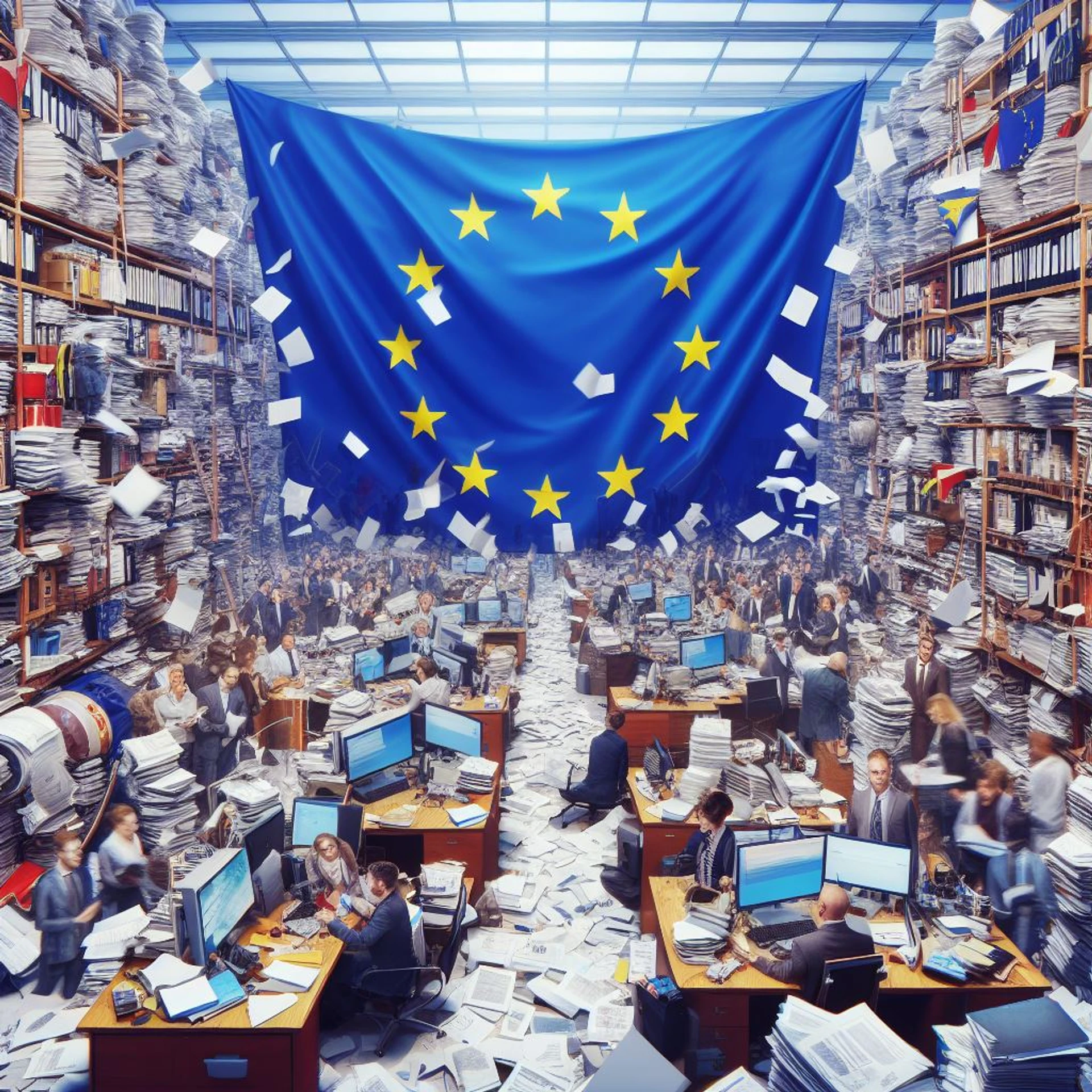
The European Union, the world's regulatory superpower, is a remarkable project that, perhaps more than anything else, confirms how strong European civilisation is and what it can withstand. The foundations that our ancestors built here over the past millennia must be really strong. Worse, however, is that eventually, even the strongest foundations can collapse. And so it is that the EU has survived the Eurocrats' ten-year plan of 2000 to create here in ten years' time the world's most dynamic and competitive knowledge-based economy, capable of sustainable economic growth, creating more and better jobs and maintaining social cohesion, " does not at all mean that it will survive this attempt to replace economic prosperity with some other and better good, which will not come from the free will of morally advanced and prosperous people, but will be imposed by regulations, social engineering and central planning.

And so, while the mass of officials, consultants, and lawyers rejoice over thousands more regulations and applications, some may think that they do not have to put out what does not burn, and some simply consider it great and progressive, the European project is becoming a bureaucratic monster that will suffocate the last vestiges of creativity and entrepreneurship that remain on our continent.